
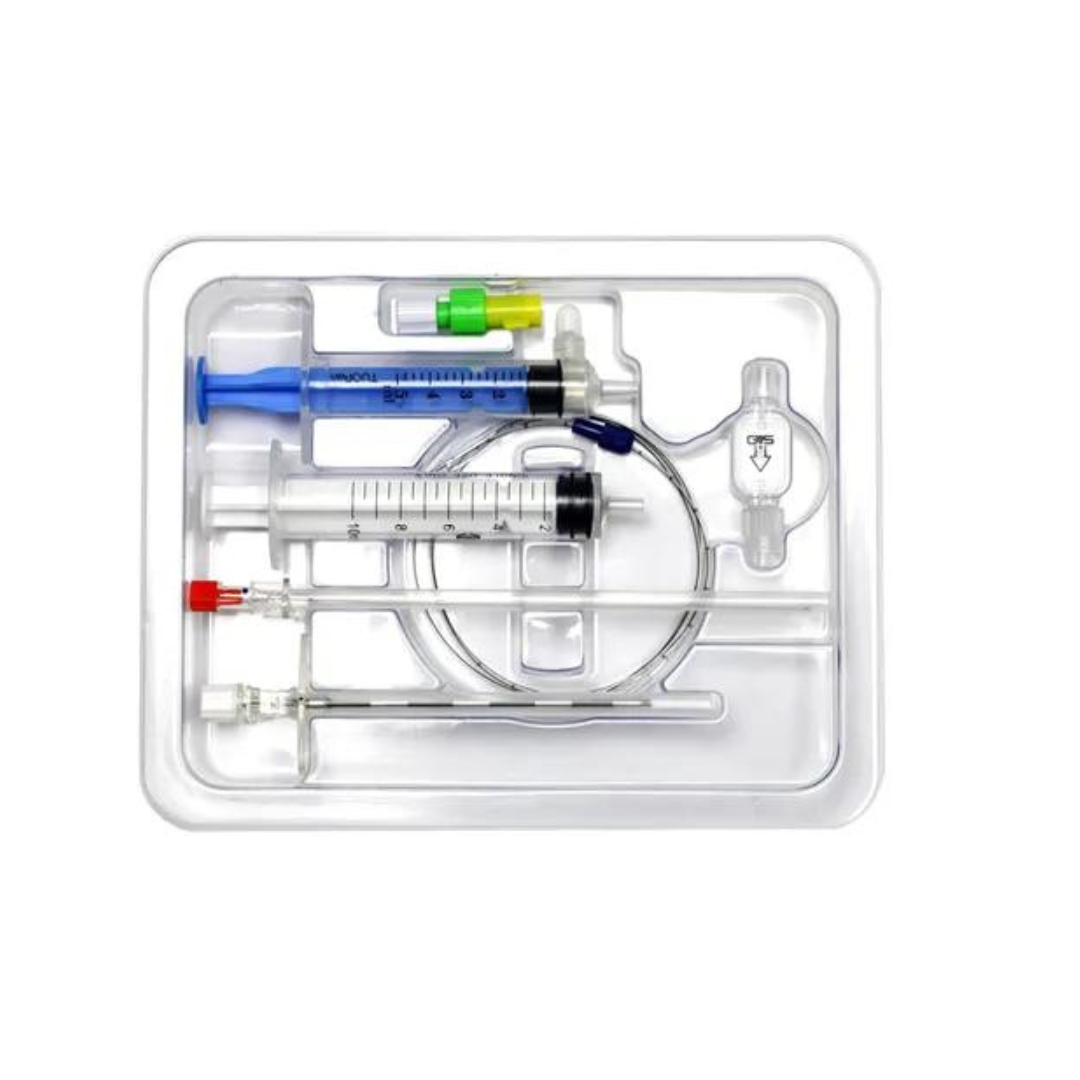

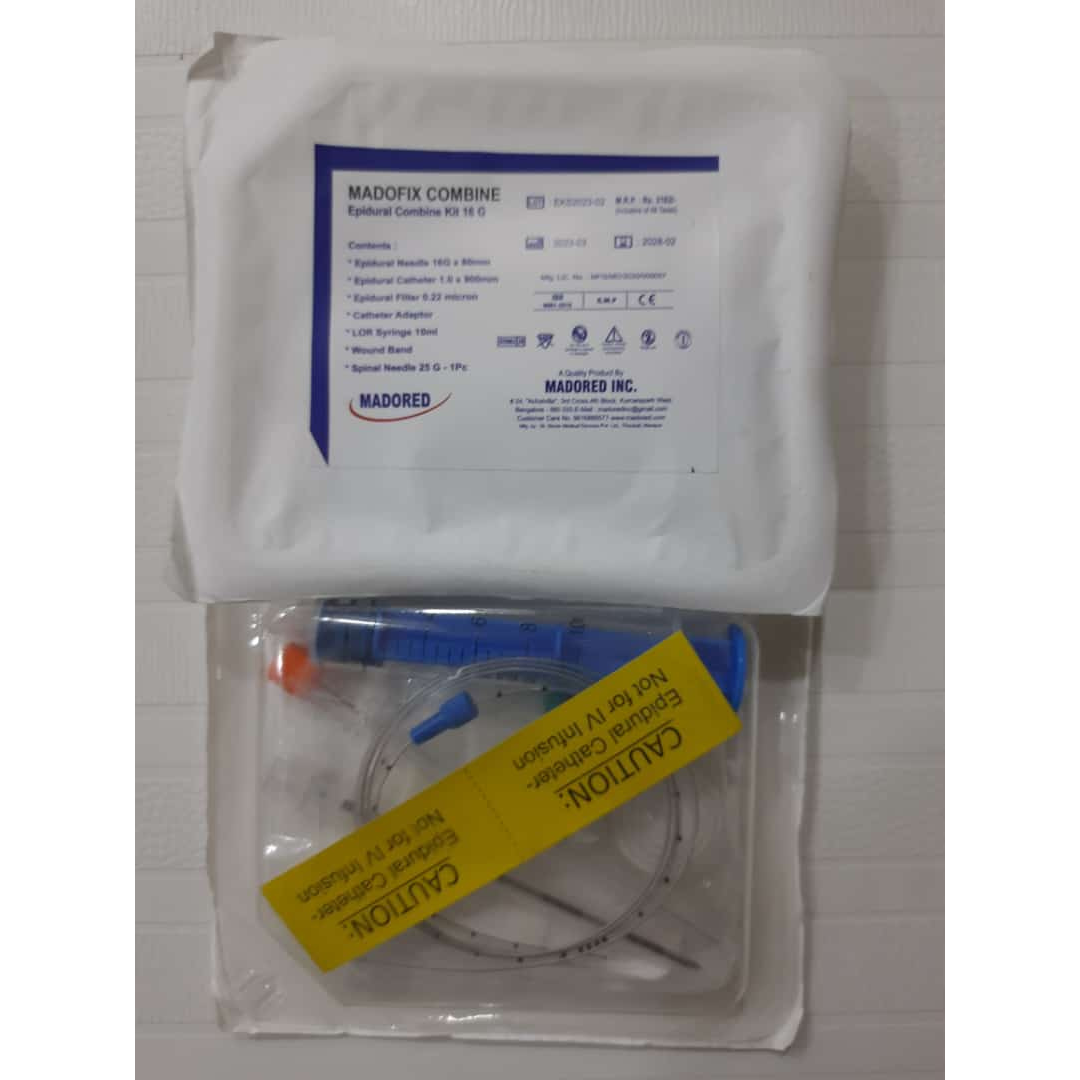
MADOFIX EPIDURAL COMBINED KIT 18 G
MADOFIX EPIDURAL
COMBINED KIT
An epidural kit is used
. Epidurals usually imply an epidural catheter inserted through the needle for an infusion that can run for a long duration of time, providing extended pain relief.
- 1 Tuohy needle 18G, 80mm long with transparent hub and removable wings. Metallic stylet for codes 5191.087, 5191.387 and 5191.337, plastic stylet for codes 5191.3371 and 5191.3871.
The needle has graduations every centimetre. The transparent hub allows to quickly visualize an accidental reflux of blood or of CSF.
- 1 PEBAX catheter (polyether blockamide), 20G, 90cm long with open distal end (code 5191.087) or with closed distal end and 3 lateral eyes (codes 5191.337 / 5191.387 / 5191.3371 / 5191.3871). Codes 5191.337 and 5191.3371 have a catheter with flexible distal tip. The catheter has markings every centimetre from 5 to 20cm and a black mark at the distal end to ensure that the entire catheter has been withdrawn.

SPECIFICATION
| Usage/Application | Hospital |
| Brand | PORTEX |
| Country of Origin | Made in India |
| SIZE | 18G |
| SPECIFICATION | WITH CLAM |
| Packaging Type | Box |
| Minimum Order Quantity | 10 PIECE |
Related products
-

Launcher- 7f Guiding Catheter’s
EBU@ (Extra Backup)
LA7EBU30 (EBU 3.0)
LA7EBU35 (EBU 3.5)
LA7EBU375 (EBU 3.75)
LA7EBU40 (EBU 4.0)
LA7EBU45 (EBU 4.5)
LA7EBU50 (EBU 5.0)
JL@ (Judkin Left )
LA7JL30 (JL 3.0)
LA7JL35 (JL 3.5)
LA7JL40 (JL 4.0)
LA7JL45 (JL 4.5)
LA7JL50 (JL 5.0)
LA7JL60 (JL 6.0)
JR@ (Judkin Right )
LA7JR30 (JR 3.0)
LA7JR35 (JR 3.5)
LA7JR40 (JR 4.0)
LA7JR45 (JR 4.5)
LA7JR50 (JR 5.0)
LA7JR60 (JR 6.0)
AL@ (Amplatz Left )
LA7AL75 (AL .75)
LA7AL10 (AL 1.0)
LA7AL15 (AL 1.5)
LA7AL20 (AL 2.0)
LA7AL25 (AL 2.5)
LA7AL30 (AL 3.0)
LA7AL40 (AL 4.0)
SAL@ (Short Amplatz Left)
LA7SAL75 (SAL . 75)
LA7SAL10 (SAL 1.0)
LA7SAL15 (SAL 1.5)
LA7SAL20 (SAL 2.0)
LA7SAL25 (SAL 2.5)
LA7SAL30 (SAL 3.0)
LA7SAL40 (SAL 4.0)
AR@ (Amplatz Right)
LA7AR10 (AR 1.0)
LA7AR20 (AR 2.0)
LA7ALR12 (ALR 1.2)
ECR Curves@ (Backup Support Right)
LA7ECR35 (ECR 3.5)
LA7ECR40 (ECR 4.0)
LA7ECR45 (ECR 4.5)
LA7RBU35 (RBU 3.5)
LA7RBU40 (RBU 4.0)
SCR@ (Shepherd’s Crook Right)
LA7SCR35 (SCR 3.5)
LA7SCR40 (SCR 4.0)
LA7SCR50 (SCR 5.0)
SAR@ (Short Amplatz Right)
LA7SAR10 (SAR 1.0)
LA7SAR20 (SAR 2.0)
Multipurpose@
LA7MB1 (MB 1)
LA7MB2 (MB 2)
LA7HSREL (Hockey Stick)
LA7HSI (Hockey I)
LA7HSII (Hockey II)
LA7HSIII (Hockey III)
Bypass Crafts@
LA7LCB (LCB)
LA7RCB (RCB)
LA7RCB (RCB III)
LA7RCB (RCB 90cm)
LA7IMA (IMA)
LA7IMA (IMA 90cm)
-

Everest30 INFLATION DEVICE
Everest 30
Disposable Inflation Device
OVERVIEW
Easy-to-use Rapid Inflation/Deflation Device
A simple solution for coronary balloon inflation. The Everest disposable inflation device features a quick trigger release and ergonomic pistol grip for ease of use. Plus, it’s available in your choice of 20 atm or 30 atm pressure gauge, and as a standalone or in a packaged kit.
PRODUCT DETAILS
The Everest Device Features:
- Quick trigger release so you can release pressure immediately, even at higher pressures
- Sure-grip torque knob with a ridged design for “no slip” torque control and precise pressure adjustment
- Unique ergonomic pistol grip with centered trigger that fits comfortably in either hand
- Luminescent dial face that provides accurate readability in normal and low-light conditions
EVEREST DISPOSABLE INFLATION DEVICE ORDERING INFORMATION
Everest20 inflation device
and 3-way stopcockAC2200 1 each Everest30 inflation device
and 3-way stopcockAC3200 1 each Everest20 Survival Kit: - Everest20 inflation device
- 3-way stopcock
- Piton Y-Adapter
- Metal guidewire insertion tool
- Torque handle
AC2205P 1 each Everest30 Survival Kit: - Everest30 inflation device
- 3-way stopcock
- Piton Y-Adapter
- Metal guidewire insertion tool
- Torque handle
AC3205P 1 each ACCESSORIES ORDERING INFORMATION
Metal guidewire insertion tool 006073 5 each Torque handle AC4006 5 each Piton™ Y-Adapter with metal guidewire insertion tool AC4001M 5 each Piton™ Tri-Adapter with metal guidewire insertion tool AC4002M 5 each Piton™ Y-Adapter with metal guidewire insertion tool and torque handle AC4003M 5 each -

PTCA Balloon Ryurei
Description
Confidence in your hands
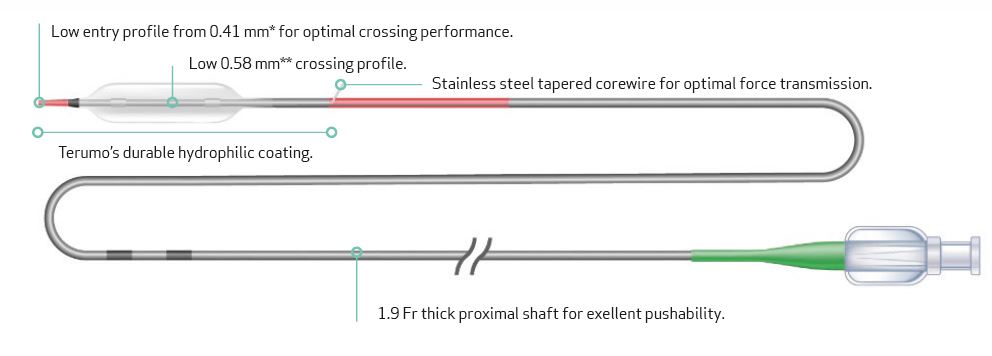
Ryurei™ has superior crossability1 thanks to the combination of low distal profiles and Terumo’s hydrophilic M coating. The short balloon bonding and reinforced shaft1 results in enhanced trackability1 while maintaining excellent pushability1.
These features can increase physician’s confidence in success even during complex procedures.
CharacteristicsExcellent Pusability
The combination of flexible distal part, tapered core wire on the midshaft and the thick proximal hypotube, results in smooth and balanced transition across the entire catheter for high transmission force, resulting in excellent pushability
Superior Crossability2
Thanks to the combination of distal low profiles and the Terumo hydrophilic M-Coat, Ryurei offers low friction in crossing tight lesions
Enhanced Trackability2
With an optimal tip design and improved balloon bonding, Ryurei provides enhanced trackability, even in tortuous anatomy and difficult to navigate vessels.
General specifications
Shaft diameter 1.9 Fr/0.64 mm Proximal • 2.5 Fr/0.84 mm Middle • 2.4 Fr/0.79 mm to 2.7 Fr/0.89 mm (tapered) Distal (1.00 to 1.50 mm) • 2.6 Fr/0.87 mm Distal (2.00 to 4.00 mm) Usable length 145 cm Balloon markers # 1(Ø1.0 to Ø 1.5 mm) • 2(Ø2.0 to Ø4.0 mm) Nominal pressure 6 atm / 608 kPa Rated burst pressure Ø1.0 – 3.0 mm=14 atm(1419kPa) • Ø3.25 – 4.0 mm = 12 atm(1216 kPa) Guidewire compatibility Maximum diameter: 0.014″ / 0.36 mm Lesion entry profile 0.41 mm (Ø1.00 to Ø1.50 mm) • 0.43 mm (Ø2.00 to Ø4.00 mm) Coating Hydrophilic Item specifications
Balloon length / Product code
Balloon Diameter 5 mm 10 mm 15 mm 20 mm 30 mm 40 mm 1.00 mm DC-RR1005HH 1.25 mm DC-RR1205HH DC-RR1210HH DC-RR1215HH DC-RR1220HH 1.50 mm DC-RR1505HH DC-RR1510HH DC-RR1515HH DC-RR1520HH 2.00 mm DC-RR2010HHW DC-RR2015HHW DC-RR2020HHW DC-RR2030HHW DC-RR2040HHW 2.25 mm DC-RR2210HHW DC-RR2215HHW DC-RR2220HHW 2.50 mm DC-RR2510HHW DC-RR2515HHW DC-RR2520HHW DC-RR2530HHW DC-RR2540HHW 2.75 mm DCRR2710HHW DC-RR2715HHW DC-RR2720HHW 3.00 mm DC-RR3010HHW DC-RR3015HHW DC-RR3020HHW DC-RR3030HHW DC-RR3040HHW 3.25 mm DC-RR3210HHW DC-RR3215HHW DC-RR3220HHW 3.50 mm DC-RR3510HHW DC-RR3515HHW DC-RR3520HHW DC-RR3530HHW DC-RR3540HHW 3.75 mm DC-RR3710HHW DC-RR3715HHW DC-RR3720HHW 4.00 mm DC-RR4010HHW DC-RR4015HHW DC-RR4020HHW References
1 Ryurei φ1.00-5mm compared to Tazuna 1.25-10 mm- Data on file ISCD-416-31-4
* For Ryurei Ø 1.00 mm – Ø 1.50 mm.
** For Ryurei Ø 1.00mm – 5mm 2 Compared to Tazuna PTCA dilatation catheter
-
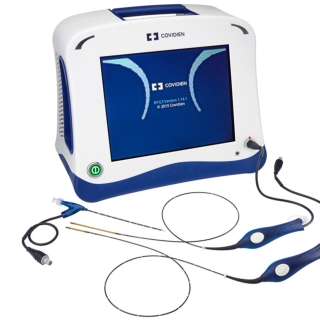
CLOSUREFAST
ClosureFast™
procedureMinimally invasive thermal
treatment for vein disease
and varicose veins.
The ClosureFast procedure uses radiofrequency energy or heat to close the diseased vein, which redirects blood flow to healthy veins, relieving symptoms.Before the procedure
You will have an ultrasound imaging exam of the leg being treated. This exam is important for assessing the diseased superficial vein and planning the procedure.
During the procedure
Your doctor will discuss the procedure with you. Here is a brief summary of what to expect:
- The ClosureFast procedure is performed on an outpatient basis. Your doctor will perform the ClosureFast procedure. Using an ultrasound, your doctor will position a catheter in the diseased vein through a small opening in the skin.
- The small catheter delivers heat to the vein wall, causing it to shrink and seal the vein. Once the diseased vein is closed, blood will reroute itself to other healthy veins.
After the procedure
- You will be taken to the recovery area to rest.
- Following the procedure, your doctor will apply a simple bandage over the insertion site and will give you compression stockings to aid in the healing process. Your doctor may encourage you to walk and to refrain from extended standing and strenuous activities for a period of time. The average patient typically resumes normal activities within a few days.1,2
- Your doctor will recommend follow-up care as needed.
-
Benefits of the ClosureFast procedure
- Relief of symptoms after two days, with a noticeable improvement in one to two week
- Minimally invasive outpatient procedure
- Less pain and bruising than laser treatment
- Faster recovery than laser treatment
- Proven results with positive patient experience
- Rapid recovery — on average, patients resume normal activities within a few days
- Lasting results — the only radiofrequency energy procedure with published long-term clinical data demonstrating safety and efficacy, with a 91.9% closure rate at five years.4
Adverse events can include nerve injury, hematoma, phlebitis, thrombosis, and/or pulmonary embolism.
Type of therapy
Thermal shrinkage of the vein wall with radiofrequency energy or heatInpatient or outpatient procedure
Outpatient procedureOne- versus two-leg treatment
Typically, each leg will be treated in separate appointmentsNeedle sticks required
One needle stick for vein access. Typically, 5 to 10 needle sticks for anesthesia.Typical post-treatment recovery
Healing of vein access site, anesthetic needle stick sites, and also healing of ablated vein sectionCompression hose
Required for approximately one weekProcedure success rate
91.9% after five years4ClosureFast procedure FAQ
Is the ClosureFast procedure painful?
Most patients report feeling little, if any, pain during the ClosureFast procedure.3 Your doctor will give you a local or regional anesthetic to numb the treatment area.
When can I return to normal activity?
Patients treated with the ClosureFast procedure may resume normal activity more quickly than patients who undergo surgical vein stripping or laser ablation. With the ClosureFast procedure, the average patient typically resumes normal activity within a few days.2 For a few weeks following the treatment, your vein specialist may recommend a regular walking regimen and suggest you refrain from strenuous activities (heavy lifting, for example) or prolonged periods of standing.
When will my symptoms improve?
Most patients report relief of symptoms after two days, with a noticeable improvement in one to two weeks.
Is there any scarring, bruising, or swelling after the procedure?
Most patients report limited to no scarring, bruising, or swelling following the ClosureFast procedure.3
How is the ClosureFast procedure different from endovenous lasers?
Both Closure Fast and lasers use thermal technology to deliver heat into the diseased vein, but they each use a different method of delivery. Despite their similarity in using heat, a 2009 study showed that the ClosureFast procedure is associated with lower rates of pain, bruising, and complications and a faster improvement in patients’ quality of life when compared to 980 nm laser ablation.4
How is the Closure Fast procedure different from vein stripping?
During vein stripping, incisions are made in the groin and calf, and a tool is threaded through the diseased vein to pull the vein out of the leg. With the ClosureFast procedure, only one small incision is made at the insertion site and the vein is then treated and left in place. ClosureFast is a minimally invasive approach that reduces the likelihood of pain and bruising, associated with vein stripping surgery.1
Is the ClosureFast procedure covered by insurance?
Many patients have access to the ClosureFast procedure through their insurance coverage plan. Insurance companies detail access to the ClosureFast procedure and other radiofrequency ablation procedures in coverage policies for varicose veins or chronic venous insufficiency. As with all healthcare procedures, you may also have some cost associated with receiving treatment, such as a copay or coinsurance. Please reach out to your insurance company to discuss your specific plan coverage and potential costs prior to seeking treatment

Reviews
There are no reviews yet.