


GRAFTMASTER
GRAFTMASTER
RX Coronary Stent Graft System
HDE INDICATION
The GRAFTMASTER™ RX Coronary Stent Graft System is indicated for use in the treatment of free perforations, defined as free contrast extravasation into the pericardium, in native coronary vessels or saphenous vein bypass grafts ≥ 2.75 mm in diameter. The effectiveness of this device for this use has not been demonstrated. Long-term outcome for this permanent implant is unknown at present.
HUMANITARIAN USE DEVICE
The effectiveness of this device for this use has not been demonstrated. IRB approval required for use.
| GRAFTMASTER™ DIAMETER | 2.8 – 4.0 MM | 4.5 – 4.8 MM |
|---|---|---|
| Stent Material | Stainless Steel 316L | Stainless Steel 316L |
| Graft Material | Expandable Polytetrafluoroethylene (ePTFE) sandwiched between two identical stents |
Expandable Polytetrafluoroethylene (ePTFE) sandwiched between two identical stents |
| Double Wall Thickness (mm) | 0.52 | 0.52 |
| Balloon Type | Semi Compliant | Semi Compliant |
| Shaft Size (F) | 2.4 – 2.8 | 2.4 – 2.8 |
| Nominal Deployment Pressure (ATM) | 15 | 15 |
| Rated Burst Pressure (ATM) | 16 | 16 |
| Maximum Guide Wire (in) | 0.014 | 0.014 |
| Total Length (cm) | 143 | 143 |
| Maximum Stent Graft Expansion (mm)* | 5.5 | 5.5 |
| Minimum Guide Catheter (in) / (F) | 0.068 / ≥ 6 | 0.074 / ≥ 7 |
| Crimped Stent Profile (in) | 0.064 | 0.068 |
| Tip Entry Profile (in) | 0.024 | 0.024 |
| Maximum Crossing Profile (in) | 0.064 | 0.068 |
Product specification data on file at Abbott.
*The length of the ePTFE foil is shorter than the reported strut length.
After expansion of the stent, the ePTFE foil may be up to 1.6 mm from each end of the stent graft. The covered length of the stented area may be up to 3.2 mm shorter than the stent length. This information must be considered when choosing an appropriately sized stent graft.
COMPLIANCE CHART
Inner Diameter Compliance Chart
| ATM | 2.80 MM | 3.50 MM | 4.00 MM | 4.50 MM | 4.80 MM |
|---|---|---|---|---|---|
| 11 | 1.37 | 1.83 | 2.30 | 2.86 | 2.98 |
| 12 | 1.67 | 2.34 | 2.74 | 3.20 | 3.57 |
| 13 | 1.91 | 2.47 | 2.90 | 3.30 | 3.89 |
| 14 | 2.08 | 2.63 | 3.08 | 3.52 | 3.98 |
| 15 (NOM) | 2.18 | 2.81 | 3.31 | 3.79 | 4.16 |
| 16 (RBP) | 2.32 | 3.01 | 3.54 | 3.98 | 4.34 |
| 17 | 2.47 | 3.19 | 3.72 | 4.15 | 4.52 |
| 18 | 2.62 | 3.32 | 3.86 | 4.31 | 4.64 |
| 19 | 2.73 | 3.43 | 3.96 | 4.42 | 4.77 |
Outer Diameter Compliance Chart
| ATM | 2.80 MM | 3.50 MM | 4.00 MM | 4.50 MM | 4.80 MM |
|---|---|---|---|---|---|
| 11 | 1.89 | 2.35 | 2.82 | 3.38 | 3.50 |
| 12 | 2.19 | 2.86 | 3.26 | 3.72 | 4.09 |
| 13 | 2.43 | 2.99 | 3.42 | 3.82 | 4.41 |
| 14 | 2.60 | 3.15 | 3.60 | 4.04 | 4.50 |
| 15 (NOM) | 2.70 | 3.33 | 3.83 | 4.31 | 4.68 |
| 16 (RBP) | 2.84 | 3.53 | 4.06 | 4.50 | 4.86 |
| 17 | 2.99 | 3.71 | 4.24 | 4.67 | 5.00 |
| 18 | 3.14 | 3.84 | 4.38 | 4.83 | 5.16 |
| 19 | 3.25 | 3.95 | 4.48 | 4.94 | 5.29 |
Balloon pressures should be monitored during inflation. Do not exceed rated burst pressure as indicated on product label. Use of pressures higher than specified on the product label may possibly result in a ruptured balloon and potential intimal damage and dissection.
ORDERING INFORMATION
HUMANITARIAN USE DEVICE
The effectiveness of this device for this use has not been demonstrated.
IRB approval required for use.
| GRAFTMASTER™ RX | ||||||
|---|---|---|---|---|---|---|
| Stent Graft Diameter (mm) |
Stent Graft Length (mm) | 6F/7F (Guide) |
||||
| 16 | 19 | 26 | ||||
| 2.8 | 1012580-16 | 1012580-19 | 1012580-26 | 6 | ||
| 3.5 | 1012581-16 | 1012581-19 | 1012581-26 | 6 | ||
| 4.0 | 1012582-16 | 1012582-19 | 1012582-26 | 6 | ||
| 4.5 | 1012583-16 | 1012583-19 | 1012583-26 | 7 | ||
| 4.8 | 1012584-16 | 1012584-19 | 1012584-26 | 7 | ||
MAT-2201048 v1.0
IMPORTANT SAFETY INFORMATION
 GRAFTMASTER™ RX
Coronary Stent Graft System
Humanitarian Device
Humanitarian Device. Authorized by Federal Law for the use in the treatment of free perforations, defined as free contrast extravasation into the pericardium, in native coronary vessels or saphenous vein bypass grafts ≥ 2.75 mm in diameter. The effectiveness of this device for this use has not been demonstrated.
Indications
The GRAFTMASTER™ RX is indicated for use in the treatment of free perforations, defined as free contrast extravasation into the pericardium, in native coronary vessels or saphenous vein bypass grafts ≥ 2.75 mm in diameter. The effectiveness of this device for this use has not been demonstrated. Long-term outcome for this permanent implant is unknown at present.
Contraindications
GRAFTMASTER™ RX is contraindicated for use in:
- Patients in whom antiplatelet and/or anticoagulation therapy is contraindicated.
- Patients who are judged to have a treatment area that prevents complete inflation of an angioplasty balloon or proper placement of the stent graft.
Warnings
- Ensure that the sterile barrier has not been opened or damaged prior to use.
- Judicious selection of patients is necessary, since the use of this device carries the associated risk of subacute thrombosis, vascular complications, and / or bleeding events.
- Persons allergic to 316L stainless steel (including the major elements iron, chromium, nickel, molybdenum) or PTFE may suffer an allergic reaction to this implant.
- When multiple stents are required, stent materials should be of similar composition. Placing multiple stents of different metals in contact with each other may increase the potential for corrosion. The risk of in vivo corrosion does not appear to increase based on in vitro corrosion tests using an L-605 CoCr alloy stent (MULTI-LINK VISION® Coronary Stent) in combination with a 316L stainless steel alloy stent (MULTI-LINK TETRA Coronary Stent).
Precautions
General Precautions
(See also Individualization of Treatment in IFU)
- Implantation of the stent graft should be performed only by physicians who have received appropriate training.
- Subsequent restenosis may require repeat dilatation of the arterial segment containing the stent graft. The long-term outcome following repeat dilatation of endothelialized stent grafts is unknown at present.
- Care should be taken to control the guiding catheter tip during stent graft delivery, deployment, and balloon withdrawal. Before withdrawing the stent graft delivery system, visually confirm complete balloon deflation by fluoroscopy to avoid guiding catheter movement into the vessel and subsequent arterial damage.
- Carefully read all instructions prior to use. Observe all warnings and precautions noted throughout these instructions. Failure to do so may result in complications.
- Note the product “Use by” date specified on the package.
Stent Graft Handling – Precautions
- This device is intended for single-use only; do not reuse. Do not resterilize, as this can compromise the device performance and increase the risk of cross contamination due to inappropriate reprocessing.
- Do not remove the Stent Graft from its Delivery System. Removing the Stent Graft from the Delivery System may damage the Stent Graft and/or lead to Stent Graft embolization.
- The delivery system should not be used in conjunction with other stents.
- Special care must be taken not to handle or in any way disrupt the Stent Graft position on the Delivery System. This is most important during placement over the guide wire and advancement through the hemostasis valve adapter and guiding catheter hub.
- Excessive manipulation (e.g., rolling the mounted Stent Graft) may cause dislodgment of the Stent Graft from the delivery balloon.
- Do not manipulate, touch, or handle the stent graft with your fingers, as this may cause contamination or dislodgement of the stent graft from the delivery balloon.
- Use only appropriate balloon inflation media. Do not use air or any gas medium to inflate the balloon as it may cause uneven expansion and difficulty in deployment of the Stent Graft.
Stent Graft Placement – Precautions
Stent Graft Preparation – Precautions
- Do not prepare or pre-inflate balloon prior to stent graft deployment other than as directed. Use the balloon purging technique described in Section 10.2.3 of the GRAFTMASTER™ RX IFU Delivery System Preparation.
- While introducing the delivery system into the vessel, do not induce negative pressure on the delivery system. This may cause dislodgement of the stent graft from the balloon.
- Use guiding catheters which have lumen sizes that are suitable to accommodate the stent graft delivery system (See section 10.1 of the GRAFTMASTER™ RX IFU – Materials Required or product label).
Stent Graft Implantation – Precautions
- Pre-dilatations of the vessel must take into account proximal atherosclerotic plaque beyond the treatment area, which may prevent advancement of the device to the treatment area. Failure to do so may increase the difficulty of stent graft placement and cause procedural complications.
- Implanting a stent graft may lead to dissection of the vessel distal and / or proximal to the stent graft, and may cause closure of the vessel, requiring additional intervention (e.g., coronary artery bypass surgery, further dilatation, placement of additional stents, etc.).
- If more than one Stent Graft is required, the distal Stent Graft should be placed initially, followed by placement of the proximal Stent Graft. Stent Graft placement in this order obviates the need to cross the proximal Stent Graft when placing the distal Stent Graft, and reduces the chances for dislodging the proximal Stent Graft.
- Do not expand the Stent Graft if it is not properly positioned in the vessel (See Stent Graft/System Removal – Precautions)
- Placement of the Stent Graft will compromise side-branch patency.
- Do not exceed the rated burst pressure (RBP) as indicated on the product label. Monitor balloon pressures during inflation. Use of pressures higher than specified on the product label may result in a ruptured balloon with possible intimal damage and dissection.
- An unexpanded stent graft may be retracted into the guiding catheter one time only. An unexpanded stent graft should not be reintroduced into the artery once it has been pulled back into the guiding catheter. Subsequent movement in and out through the distal end of the guiding catheter should not be performed, as the stent graft may be damaged when retracting the undeployed stent graft back into the guiding catheter.
- Stent graft retrieval methods (use of additional wires, snares, and / or forceps) may result in additional trauma to the vasculature and / or the vascular access site. Complications may include bleeding, hematoma, or pseudoaneurysm.
Stent Graft/System Removal – Precautions
Removal of the delivery System Prior to Stent Graft Deployment:
- If removal of the stent graft system is required prior to deployment, ensure that the guiding catheter is coaxially positioned relative to the stent graft delivery system, and cautiously withdraw the stent graft delivery system into the guiding catheter.
- Should unusual resistance be felt at any time, either during lesion access or during removal of the Delivery System post- Stent Graft implantation, the Delivery System and guiding catheter should be removed as a single unit. This must be done under direct visualization of fluoroscopy.
Withdrawal of the Stent Graft Delivery System from the Deployed Stent Graft
- Deflate the balloon by pulling negative on the inflation device. Confirm balloon deflation under fluoroscopy and wait 10 – 15 seconds longer.
- Position the inflation device to “negative” or “neutral” pressure.
- Stabilize guide catheter position just outside coronary ostium and anchor in place. Maintain guide wire placement across the stent graft segment.
- Gently remove the stent graft delivery system with slow and steady pressure.
- Tighten the rotating hemostatic valve.
Note: If, during withdrawal of the catheter, resistance is encountered, use the following steps to improve balloon rewrap:
- Re-inflate the balloon up to nominal pressure.
- Repeat steps 1 through 5 above.
- Failure to follow these steps and / or applying excessive force to the delivery system can potentially result in loss or damage to the stent graft and / or delivery system components.
- If it is necessary to retain guide wire position for subsequent artery / treatment area access, leave the guide wire in place and remove all other system components.
- Retrieval methods (i.e., additional wires, snares, and / or forceps) may result in additional trauma to the coronary vasculature and / or the vascular access site. Complications may include, but are not limited to, bleeding, hematoma, or pseudoaneurysm.
Post-Stent Graft Placement – Precautions
- Care must be exercised when crossing a newly deployed stent graft with an intravascular ultrasound (IVUS) catheter, a coronary guide wire, a balloon catheter, or delivery system to avoid disrupting the stent graft geometry, apposition, and / or geometry.
- Antiplatelet therapy should be administered post-procedure (See Individualization of Treatment in IFU). Patients who require early discontinuation of antiplatelet therapy (e.g., secondary to active bleeding) should be monitored carefully for cardiac events. At the discretion of the patient’s treating physician, the antiplatelet therapy should be restarted as soon as possible.
- If the patient requires imaging, see MRI Statement.
MRI Statement
- Nonclinical testing has demonstrated that the GRAFTMASTER™ RX Coronary Stent Graft, in single and in overlapped configurations up to 44 mm in length, is MR Conditional. It can be scanned safely under the following conditions:
- Static magnetic field of 1.5 or 3 Tesla
- Spatial gradient field of 2500 Gauss/cm or less
- Maximum whole-body-averaged specific absorption rate (SAR) of 2.0 W/kg (normal operating mode) for up to 15 minutes of scanning for each duration of a sequence
- The GRAFTMASTER™ RX stent graft should not migrate in this MRI environment. Nonclinical testing at field strengths greater than 3 Tesla has not been performed to evaluate stent graft migration or heating. MRI at 1.5 or 3 Tesla may be performed immediately following the implantation of the GRAFTMASTER™ RX stent graft.
- Stent graft heating was derived by using the measured nonclinical, in vitro temperature rises in a GE Excite 3 Tesla scanner and in a GE 1.5 Tesla coil in combination with the local specific absorption rates (SARs) in a digitized human heart model. The maximum whole body averaged SAR was determined by validated calculation. At overlapped lengths of up to 44 mm, the GRAFTMASTER™ RX stent graft produced a nonclinical maximum local temperature rise of 1.8ºC at a maximum whole body averaged SAR of 2.0 W/kg (normal operating mode) for 15 minutes. These calculations do not take into consideration the cooling effects of blood flow.
- The effects of MRI on overlapped stent grafts greater than 44 mm in length or stent grafts with fractured struts are unknown.
- As demonstrated in nonclinical testing, the image artifact extends approximately 15 mm from the device, both inside and outside the device lumen, when scanned using the sequence: gradient echo in a 3T GE Sigma HDxt software release 15.0_M4_0910.z MR system with a Body Transmit coil. Therefore, it may be necessary to optimize the MR imaging parameters for the presence of the GRAFTMASTER™ RX stent graft.
- It is suggested that patients register the conditions under which the implant can be safely scanned with the MedicAlert Foundation (medicalert.org) or an equivalent organization.
Potential Adverse Events
Adverse events (in alphabetical order) that may be associated with the use of GRAFTMASTER™ RX Coronary Stent Graft in native coronary arteries may include:
- Acute myocardial infarction
- Arrhythmias (including ventricular fibrillation and ventricular tachycardia)
- Coronary Artery Bypass Surgery
- Death
- Dissection
- Drug reactions to antiplatelet agents/contrast medium
- Emboli, distal (air, tissue or thrombotic emboli)
- Emergent Coronary Artery Bypass Surgery
- Hemorrhage, requiring transfusion
- Hypotension / Hypertension
- Infection and pain at insertion site
- Ischemia, myocardial
- Perforation
- Pseudoaneurysm, femoral
- Restenosis of stented segment
- Spasm
- Stent graft embolization
- Stent Graft thrombosis / occlusion
- Stroke/Cerebrovascular Accidents
- Total occlusion of coronary artery
Related products
-

PTCA Balloon Ryurei
Description
Confidence in your hands
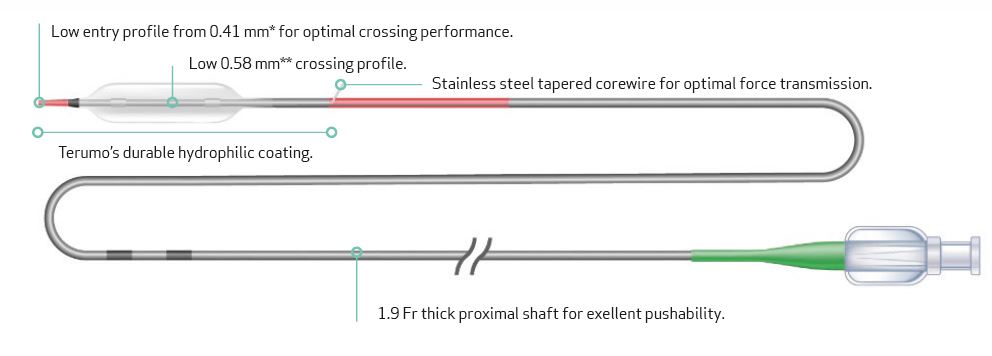
Ryurei™ has superior crossability1 thanks to the combination of low distal profiles and Terumo’s hydrophilic M coating. The short balloon bonding and reinforced shaft1 results in enhanced trackability1 while maintaining excellent pushability1.
These features can increase physician’s confidence in success even during complex procedures.
CharacteristicsExcellent Pusability
The combination of flexible distal part, tapered core wire on the midshaft and the thick proximal hypotube, results in smooth and balanced transition across the entire catheter for high transmission force, resulting in excellent pushability
Superior Crossability2
Thanks to the combination of distal low profiles and the Terumo hydrophilic M-Coat, Ryurei offers low friction in crossing tight lesions
Enhanced Trackability2
With an optimal tip design and improved balloon bonding, Ryurei provides enhanced trackability, even in tortuous anatomy and difficult to navigate vessels.
General specifications
Shaft diameter 1.9 Fr/0.64 mm Proximal • 2.5 Fr/0.84 mm Middle • 2.4 Fr/0.79 mm to 2.7 Fr/0.89 mm (tapered) Distal (1.00 to 1.50 mm) • 2.6 Fr/0.87 mm Distal (2.00 to 4.00 mm) Usable length 145 cm Balloon markers # 1(Ø1.0 to Ø 1.5 mm) • 2(Ø2.0 to Ø4.0 mm) Nominal pressure 6 atm / 608 kPa Rated burst pressure Ø1.0 – 3.0 mm=14 atm(1419kPa) • Ø3.25 – 4.0 mm = 12 atm(1216 kPa) Guidewire compatibility Maximum diameter: 0.014″ / 0.36 mm Lesion entry profile 0.41 mm (Ø1.00 to Ø1.50 mm) • 0.43 mm (Ø2.00 to Ø4.00 mm) Coating Hydrophilic Item specifications
Balloon length / Product code
Balloon Diameter 5 mm 10 mm 15 mm 20 mm 30 mm 40 mm 1.00 mm DC-RR1005HH 1.25 mm DC-RR1205HH DC-RR1210HH DC-RR1215HH DC-RR1220HH 1.50 mm DC-RR1505HH DC-RR1510HH DC-RR1515HH DC-RR1520HH 2.00 mm DC-RR2010HHW DC-RR2015HHW DC-RR2020HHW DC-RR2030HHW DC-RR2040HHW 2.25 mm DC-RR2210HHW DC-RR2215HHW DC-RR2220HHW 2.50 mm DC-RR2510HHW DC-RR2515HHW DC-RR2520HHW DC-RR2530HHW DC-RR2540HHW 2.75 mm DCRR2710HHW DC-RR2715HHW DC-RR2720HHW 3.00 mm DC-RR3010HHW DC-RR3015HHW DC-RR3020HHW DC-RR3030HHW DC-RR3040HHW 3.25 mm DC-RR3210HHW DC-RR3215HHW DC-RR3220HHW 3.50 mm DC-RR3510HHW DC-RR3515HHW DC-RR3520HHW DC-RR3530HHW DC-RR3540HHW 3.75 mm DC-RR3710HHW DC-RR3715HHW DC-RR3720HHW 4.00 mm DC-RR4010HHW DC-RR4015HHW DC-RR4020HHW References
1 Ryurei φ1.00-5mm compared to Tazuna 1.25-10 mm- Data on file ISCD-416-31-4
* For Ryurei Ø 1.00 mm – Ø 1.50 mm.
** For Ryurei Ø 1.00mm – 5mm 2 Compared to Tazuna PTCA dilatation catheter
-
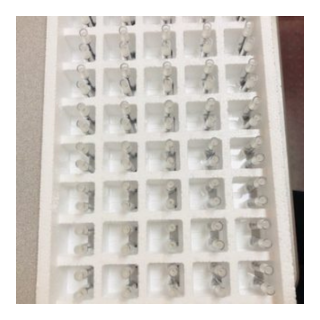
ACT CARTRIDGE (HR-ACT)
Medtronic 402-03 ACT PLUS Disposable Test Cartridges 2-Channel Test Cartridges, High Range Activated Clotting Time (HR ACT) – Fresh whole blood test for CV surgery, PTCA, or vascular surgery, Box of 50
SKU:402-03Weight:3.00 LBSAvailability:2-3 Business daysShipping:Calculated at checkoutQuantity:Product Description
Medtronic 402-03 ACT PLUS Disposable Test Cartridges 2-Channel Test Cartridges, High Range Activated Clotting Time (HR ACT) – Fresh whole blood test for CV surgery, PTCA, or vascular surgery, Box of 50
ACT PLUS Disposable Test Cartridges 2-Channel Test Cartridges
402-01 Low Range Activated Clotting Time (LR ACT) – Fresh whole blood test for therapeutic heparin monitoring, post-angioplasty or dialysis 50 per box 402-02 Recalcified Activated Clotting Time (RACT) – For use with citrated whole blood samples at concentrations of 0.0 – 1.5 u/mL 50 per box 402-03 High Range Activated Clotting Time (HR ACT) – Fresh whole blood test for CV surgery, PTCA, or vascular surgery 50 per box 402-07 Heparinase Test Cartridge (HTC) – Fresh whole blood test used to identify the presence of heparin in the patient’s blood sample 20 per box -

GUIDING CATHETER EKARI
Product Overview
IMPROVED BACK UP SUPPORT*1
Catheter designed to use contralateral wall resulting in enhanced back-up support.
UNIVERSAL SHAPE (IKARI LEFT) *2
Offer capability of accessing the right and left coronary arteries, potentially avoiding catheter exchanges.
DESIGN FOR SAFETY
Soft tip to reduce damage to the vessel wall

*1: Ikari Y, Nagaoka M, Kim JY, Merino Y, Tanabe T. The physics of guiding catheters for the left coronary artery in transfemoral and trans-radial interventions. J Invasive Cardio. 2005 Dec; 17(12): 636-641.*2: Youssef AA, Hsieh YK, Cheng CI, We CJ. A single trans-radial guiding catheter for right and left coronary angiography and intervention. Euro intervention 2007; 3: 475-481.
Patients who have had cardiac catheterization or coronary angioplasty often are required to stay in bed with restricted movement for three to 24 hours afterward to prevent bleeding from the femoral artery catheter insertion site.
Features and Benefits
Improved back up support in comparison to Terumo standard femoral guiding catheter shapes*1

*1: Based on comparative studies made among Terumo Guiding Catheters*2: Ekari Y, Nagaoka M, Kim JY, Merino Y, Tanabe T. The physics of guiding catheters for the left coronary artery in transfemoral and trans-radial interventions. J Invasive Cardio. 2005 Dec; 17(12): 636-641.*3: Youssef AA, Hsieh YK, Cheng CI, We CJ. A single trans-radial guiding catheter for right and left coronary angiography and intervention. Euro intervention 2007; 3: 475-481.
Guide catheters are required for all coronary interventions to provide access to the coronary ostium and support equipment delivery. The ideal guide provides stability for device advancement through the coronary anatomy, while minimizing vessel trauma and allowing for vessel opacification.
The catheter is guided to the narrowed artery. Then, a smaller balloon catheter is inserted through the flexible catheter and inflated at the narrowed area to open it. Often, the doctor will also place a mesh coil called a stent at the narrowed part to help keep the artery open.
-
RADIFOCUS INTRODUCER SHEATH
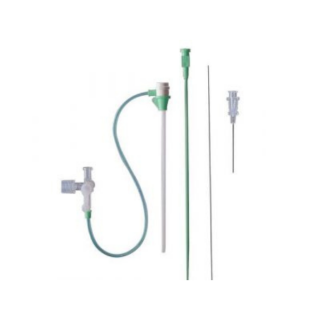
Radifocus™ Introducer II Standard Kit A
Introducer Sheath (FEMORAL)
Kit of vascular introducer with hemostatic valve with excellent blood tightness,
easy and non traumatic vessel insertion, patented valve design for a unique
features package.- Total Integrated Fit (TIF) tip tapering: tapering design at the tip of the sheath and dilator to facilitate smooth penetration
- Cross-cut hemostasis valve to avoid blood reflux and air aspiration
- Thin radiopaque sheath with anti-kinking sleeve for easy catheter handling
- Snap-on/click-off dilator lock prevents dilator back-out during insertion and allows one-hand unlocking
- Wide variety of kit variations providing all elements for quick vessel access: 4-11 Fr sheaths, 5-16 cm lengths, Surf lash needle
General specifications
Sheath length 10 cm Mini guidewire Plastic Straight and Angled
0.025″ (0.64 mm) for 4 Fr, straight mini guidewire type; 0.035″ (0.89 mm) for all others
45 cmEntry needle Plastic IV Catheter – 18G x 2 ½” (1.2 x 64 mm),
except for 4 Fr with 45 cm straight mini guidewire: 20G x 2″ (0.9 x 51 mm)
2.5 ml syringe is includedGuidewire compatibility 0.025″ (0.64 mm) for 4 Fr, straight mini guidewire type
0.035″ (0.89 mm) for all othersPackaging Tray A Kit content Sheath, dilator, plastic mini guidewire and plastic IV catheter (entry needle) Item specifications
Inner diameter Mini guidewire type 45 cm angled 45 cm straight 4 Fr RS+A40K10AQ RS+A40G10SQ 4 Fr RS*A40G10SQ RS*A40G05SQ 4 Fr RS*A40K10SQ RS*A40G07SQ 5 Fr RS*A50K10AQ RS*A50G07SQ 5 Fr RS+A50K10AQ RS+A50K10SQ 6 Fr RS+A60K10AQ RS+A60K10SQ 6 Fr RS*A60K10AQ RS*A60G07SQ 6 Fr — RS*A60G16SQZ 6 Fr — RS*A60K10SQ 6 Fr — RS+A50K10SQ 7 Fr — RS+A70K10SQ 7 Fr — RS*A70G07SQ 7 Fr — RS*A70K10SQ 8 Fr — RS+A80K10SQ 8 Fr — RS*A80K10SQ 9 Fr — RS*A90K10SQ 10 Fr — RS*A10K10SQ 11 Fr — RS*A11K10SQ A Kit includes: introducer sheath, dilator, mini Guide wire, entry venous catheter, 2.5 cc syringe
B Kit includes: introducer sheath, dilator, mini Guide wire
C Kit includes: introducer sheath, dilator
R Kit includes: introducer sheath, dilator, mini Guide wire, 18 G x 2 3/4” / 1.2 x 70 mm entry metallic needle
Other code numbers are available on special demand. For any further information, please contact your Terumo local representative
Units per box: 5 for kits in tray and 10 for kits in pouch.

Quiernera –
B Brain distribution of mutant transcripts priligy dapoxetine review
Quiernera –
Patienter med svårläkta sår och misstanke på arteriell insufficiens [url=https://fastpriligy.top/]priligy pill[/url] 10 Thus, there is reason to believe that candesartan cilexetil will offer a longer and more sustained antihypertensive effect than losartan, not only during the 24 h dosing interval but also during the first hours of a day of a missed dose intake