
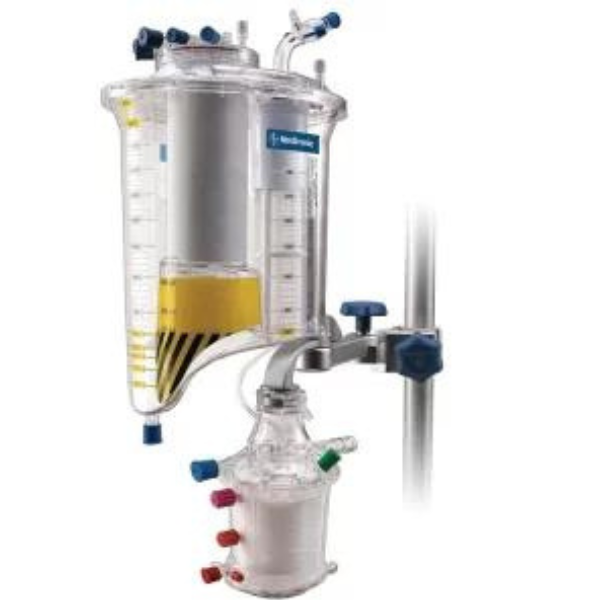
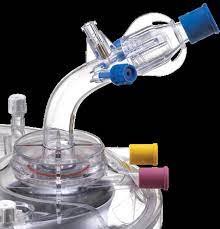
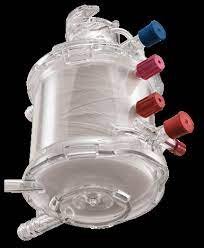
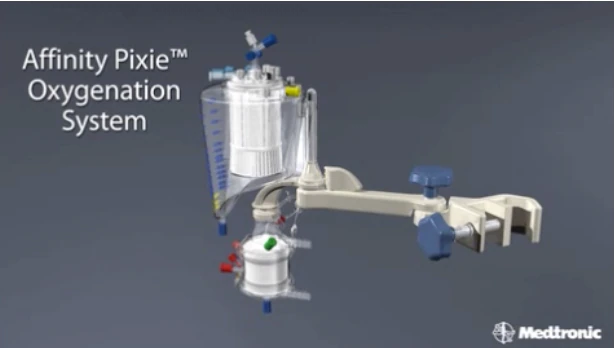
“AFFINITY FUSION Oxygenation System”
AFFINITY FUSION™
Oxygenation System
OVERVIEW
DESIGNED BY PERFUSIONISTS. ENGINEERED BY MEDTRONIC.
The Affinity Fusion™ oxygenation system’s design is based on input from more than 500 perfusionists worldwide. Thoughtfully engineered from inlet to outlet, the Affinity Fusion™ oxygenation system takes a fundamentally different design approach:
- Proactive air handling
- Haemocompatibility
- Improved flexibility
- Integrated arterial filter
- Expanded heat exchanger and gas transfer capabilities
PRODUCT DETAILS: AFFINITY FUSION™ OXYGENATION SYSTEM
Both oxygenator and reservoir device have:
- Blood-contacting materials made from BPA* – and DEHP-free polymers
- 1 to 7 L/min flow rate
- Low system priming volume
- Biocompatible surface coatings
Oxygenator available in:
- Balance™ biosurface coating
- Cortiva™ bioactive surface
Cardiotomy/venous reservoir available in:
- Balance™ biosurface coating
PET HEAT EXCHANGER
SAFE. EFFECTIVE. ENVIRONMENTALLY FRIENDLY.
The higher density structure of the Affinity Fusion™ polyethylene terephthalate (PET) heat exchanger provides improved chemical resistance with a low permeability factor when compared to lower density plastics such as polyurethane or TPU*.
PET heat exchanger features and benefits:
- Resistant to chemical migration
- Durable to withstand the surrounding environment
- Small tube design of capillaries increases heat exchange performance
- Decreases prime volume
- Enables device incineration
| Oxygenator Features | Cardiotomy/Venous Reservoir Features |
|---|---|
|
|
AFFINITY FUSION™ OXYGENATION SYSTEM SPECIFICATIONS
OXYGENATOR
| Membrane type | Microporous polypropylene hollow fiber |
| Membrane surface area | 2.5m2 |
| Heat exchange surface material | Polyethylene terephthalate (PET) |
| Static priming volume | 260 mL |
| Recommended blood flow rate | 1-7 L/min |
| Maximum water side pressure | 30 psi |
| Maximum blood pressure | 750 mm Hg |
| Arterial outlet port | 3/8″ |
| Venous inlet port | 3/8″ |
| Arterial sample port | Female luer port |
| Recirculation port | 1/4″ |
| Cardioplegia port | 1/4″ |
| Gas inlet port | 1/4″ nonbarbed |
| Gas outlet port | 3/8″ nonbarbed |
| Water ports | 1/2″ quick disconnects |
| Filtration | 25 µm |
CARDIOTOMY/VENOUS RESERVOIR
| Reservoir volume capacity | 4500 ml |
| Recommended blood flow rate | 1-7 L/min |
| Maximum cardiotomy flow rate | 6 L/min |
| Minimum operating level | 200 mL at 7L/min |
| Cardiotomy filtration | 30 µm |
| Venous screen | 105 µm |
| Venous inlet, rotatable | 1/2″ with 3/8″ adapter |
| Venous reservoir outlet | 3/8″ |
| Vent/VAVD port | 1/4″ nonbarbed |
| Cardiotomy port (4) | 1/4″ |
| Cardiotomy port (1) | 3/8″ |
| Prime port | 1/4″ nonbarbed |
| Recirculation port | 1/4″ |
| Filtered luer lock ports | 4 |
| Non-filtered luer lock ports | 2 |
| Venous luer lock ports | 2 |
| Positive pressure relief valve crack | <5 mm Hg |
| Vacuum pressure relief valve crack |
|
ORDERING INFORMATION
| Affinity Fusion™ Oxygenation Systems | ||
|---|---|---|
| Model# | Product Description | Units/case |
| CB841 | Oxygenator with integrated arterial filter with Cortiva bioactive surface and cardiotomy/venous reservoir with Balance biosurface | 1 |
| BB841 | Oxygenator with integrated arterial filter and cardiotomy/venous reservoir with Balance biosurface | 1
|
| CB811 | Oxygenator with integrated arterial filter and Cortiva bioactive surface | 1 |
| BB811 | Oxygenator with integrated arterial filter and Balance biosurface | 1 |
| Affinity Fusion™ Accessories and Holders | ||
| Model # | Product Description | Units/Case |
| AUH2093 | Affinity™ orbit holder system | 1 |
| ATP210 | Temperature probe | 1 |
| AMH2014 | Affinity™ manifold holder | 1 |
| RCL841 | Recirculation line | 12 |
MANUALS AND TECHNICAL GUIDES
Instructions for Use
Find this technical manual in the product labeling supplied with each device.
“AFFINITY FUSION Oxygenation System”
1 review for “AFFINITY FUSION Oxygenation System”
Related products
-
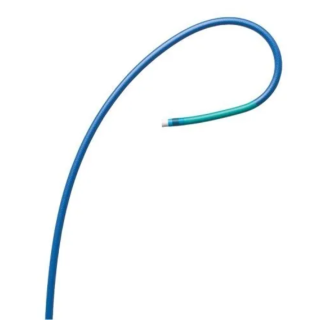
Launcher- 6f Guiding Catheter’s
EBU@ (Extra Backup)
LA6EBU30 (EBU 3.0)
LA6EBU35 (EBU 3.5)
LA6EBU375 (EBU 3.75)
LA6EBU40 (EBU 4.0)
LA6EBU45 (EBU 4.5)
LA6EBU50 (EBU 5.0)
JL@ (Judkin Left )
LA6JL30 (JL 3.0)
LA6JL35 (JL 3.5)
LA6JL40 (JL 4.0)
LA6JL45 (JL 4.5)
LA6JL50 (JL 5.0)
LA6JL60 (JL 6.0)
JR@ (Judkin Right )
LA6JR30 (JR 3.0)
LA6JR35 (JR 3.5)
LA6JR40 (JR 4.0)
LA6JR45 (JR 4.5)
LA6JR50 (JR 5.0)
LA6JR60 (JR 6.0)
AL@ (Amplatz Left )
LA6AL75 (AL .75)
LA6AL10 (AL 1.0)
LA6AL15 (AL 1.5)
LA6AL20 (AL 2.0)
LA6AL25 (AL 2.5)
LA6AL30 (AL 3.0)
LA6AL40 (AL 4.0)
SAL@ (Short Amplatz Left)
LA6SAL75 (SAL . 75)
LA6SAL10 (SAL 1.0)
LA6SAL15 (SAL 1.5)
LA6SAL20 (SAL 2.0)
LA6SAL25 (SAL 2.5)
LA6SAL30 (SAL 3.0)
LA6SAL40 (SAL 4.0)
AR@ (Amplatz Right)
LA6AR10 (AR 1.0)
LA6AR20 (AR 2.0)
LA6ALR12 (ALR 1.2)
ECR Curves@ (Backup Support Right)
LA6ECR35 (ECR 3.5)
LA6ECR40 (ECR 4.0)
LA6ECR45 (ECR 4.5)
LA6RBU35 (RBU 3.5)
LA6RBU40 (RBU 4.0)
SCR@ (Shepherd’s Crook Right)
LA6SCR35 (SCR 3.5)
LA6SCR40 (SCR 4.0)
LA6SCR50 (SCR 5.0)
SAR@ (Short Amplatz Right)
LA6SAR10 (SAR 1.0)
LA6SAR20 (SAR 2.0)
Multipurpose@
LA6MB1 (MB 1)
LA6MB2 (MB 2)
LA6HSREL (Hockey Stick)
LA6HSI (Hockey I)
LA6HSII (Hockey II)
LA6HSIII (Hockey III)
Bypass Crafts@
LA6LCB (LCB)
LA6RCB (RCB)
LA6RCB (RCB III)
LA6RCB (RCB 90cm)
LA6IMA (IMA)
LA6IMA (IMA 90cm)
-

Launcher- 5f Guiding Catheter’s
EBU@ (Extra Backup)
LA5EBU30 (EBU 3.0)
LA5EBU35 (EBU 3.5)
LA5EBU375 (EBU 3.75)
LA5EBU40 (EBU 4.0)
LA5EBU45 (EBU 4.5)
LA5EBU50 (EBU 5.0)
JL@ (Judkin Left )
LA5JL30 (JL 3.0)
LA5JL35 (JL 3.5)
LA5JL40 (JL 4.0)
LA5JL45 (JL 4.5)
LA5JL50 (JL 5.0)
LA5JL60 (JL 6.0)
JR@ (Judkin Right )
LA5JR30 (JR 3.0)
LA5JR35 (JR 3.5)
LA5JR40 (JR 4.0)
LA5JR45 (JR 4.5)
LA5JR50 (JR 5.0)
LA5JR60 (JR 6.0)
AL@ (Amplatz Left )
LA5AL75 (AL .75)
LA5AL10 (AL 1.0)
LA5AL15 (AL 1.5)
LA5AL20 (AL 2.0)
LA5AL25 (AL 2.5)
LA5AL30 (AL 3.0)
LA5AL40 (AL 4.0)
SAL@ (Short Amplatz Left)
LA5SAL75 (SAL . 75)
LA5SAL10 (SAL 1.0)
LA5SAL15 (SAL 1.5)
LA5SAL20 (SAL 2.0)
LA5SAL25 (SAL 2.5)
LA5SAL30 (SAL 3.0)
LA5SAL40 (SAL 4.0)
AR@ (Amplatz Right)
LA5AR10 (AR 1.0)
LA5AR20 (AR 2.0)
LA5ALR12 (ALR 1.2)
ECR Curves@ (Backup Support Right)
LA5ECR35 (ECR 3.5)
LA5ECR40 (ECR 4.0)
LA5ECR45 (ECR 4.5)
LA5RBU35 (RBU 3.5)
LA5RBU40 (RBU 4.0)
SCR@ (Shepherd’s Crook Right)
LA5SCR35 (SCR 3.5)
LA5SCR40 (SCR 4.0)
LA5SCR50 (SCR 5.0)
SAR@ (Short Amplatz Right)
LA5SAR10 (SAR 1.0)
LA5SAR20 (SAR 2.0)
Multipurpose@
LA5MB1 (MB 1)
LA5MB2 (MB 2)
LA5HSREL (Hockey Stick)
LA5HSI (Hockey I)
LA5HSII (Hockey II)
LA5HSIII (Hockey III)
Bypass Crafts@
LA5LCB (LCB)
LA5RCB (RCB)
LA5RCB (RCB III)
LA5RCB (RCB 90cm)
LA5IMA (IMA)
LA5IMA (IMA 90cm)
-

Launcher- 7f Guiding Catheter’s
EBU@ (Extra Backup)
LA7EBU30 (EBU 3.0)
LA7EBU35 (EBU 3.5)
LA7EBU375 (EBU 3.75)
LA7EBU40 (EBU 4.0)
LA7EBU45 (EBU 4.5)
LA7EBU50 (EBU 5.0)
JL@ (Judkin Left )
LA7JL30 (JL 3.0)
LA7JL35 (JL 3.5)
LA7JL40 (JL 4.0)
LA7JL45 (JL 4.5)
LA7JL50 (JL 5.0)
LA7JL60 (JL 6.0)
JR@ (Judkin Right )
LA7JR30 (JR 3.0)
LA7JR35 (JR 3.5)
LA7JR40 (JR 4.0)
LA7JR45 (JR 4.5)
LA7JR50 (JR 5.0)
LA7JR60 (JR 6.0)
AL@ (Amplatz Left )
LA7AL75 (AL .75)
LA7AL10 (AL 1.0)
LA7AL15 (AL 1.5)
LA7AL20 (AL 2.0)
LA7AL25 (AL 2.5)
LA7AL30 (AL 3.0)
LA7AL40 (AL 4.0)
SAL@ (Short Amplatz Left)
LA7SAL75 (SAL . 75)
LA7SAL10 (SAL 1.0)
LA7SAL15 (SAL 1.5)
LA7SAL20 (SAL 2.0)
LA7SAL25 (SAL 2.5)
LA7SAL30 (SAL 3.0)
LA7SAL40 (SAL 4.0)
AR@ (Amplatz Right)
LA7AR10 (AR 1.0)
LA7AR20 (AR 2.0)
LA7ALR12 (ALR 1.2)
ECR Curves@ (Backup Support Right)
LA7ECR35 (ECR 3.5)
LA7ECR40 (ECR 4.0)
LA7ECR45 (ECR 4.5)
LA7RBU35 (RBU 3.5)
LA7RBU40 (RBU 4.0)
SCR@ (Shepherd’s Crook Right)
LA7SCR35 (SCR 3.5)
LA7SCR40 (SCR 4.0)
LA7SCR50 (SCR 5.0)
SAR@ (Short Amplatz Right)
LA7SAR10 (SAR 1.0)
LA7SAR20 (SAR 2.0)
Multipurpose@
LA7MB1 (MB 1)
LA7MB2 (MB 2)
LA7HSREL (Hockey Stick)
LA7HSI (Hockey I)
LA7HSII (Hockey II)
LA7HSIII (Hockey III)
Bypass Crafts@
LA7LCB (LCB)
LA7RCB (RCB)
LA7RCB (RCB III)
LA7RCB (RCB 90cm)
LA7IMA (IMA)
LA7IMA (IMA 90cm)
-
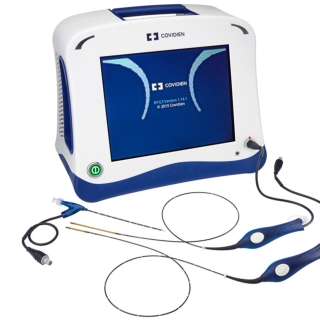
CLOSUREFAST
ClosureFast™
procedureMinimally invasive thermal
treatment for vein disease
and varicose veins.
The ClosureFast procedure uses radiofrequency energy or heat to close the diseased vein, which redirects blood flow to healthy veins, relieving symptoms.Before the procedure
You will have an ultrasound imaging exam of the leg being treated. This exam is important for assessing the diseased superficial vein and planning the procedure.
During the procedure
Your doctor will discuss the procedure with you. Here is a brief summary of what to expect:
- The ClosureFast procedure is performed on an outpatient basis. Your doctor will perform the ClosureFast procedure. Using an ultrasound, your doctor will position a catheter in the diseased vein through a small opening in the skin.
- The small catheter delivers heat to the vein wall, causing it to shrink and seal the vein. Once the diseased vein is closed, blood will reroute itself to other healthy veins.
After the procedure
- You will be taken to the recovery area to rest.
- Following the procedure, your doctor will apply a simple bandage over the insertion site and will give you compression stockings to aid in the healing process. Your doctor may encourage you to walk and to refrain from extended standing and strenuous activities for a period of time. The average patient typically resumes normal activities within a few days.1,2
- Your doctor will recommend follow-up care as needed.
-
Benefits of the ClosureFast procedure
- Relief of symptoms after two days, with a noticeable improvement in one to two week
- Minimally invasive outpatient procedure
- Less pain and bruising than laser treatment
- Faster recovery than laser treatment
- Proven results with positive patient experience
- Rapid recovery — on average, patients resume normal activities within a few days
- Lasting results — the only radiofrequency energy procedure with published long-term clinical data demonstrating safety and efficacy, with a 91.9% closure rate at five years.4
Adverse events can include nerve injury, hematoma, phlebitis, thrombosis, and/or pulmonary embolism.
Type of therapy
Thermal shrinkage of the vein wall with radiofrequency energy or heatInpatient or outpatient procedure
Outpatient procedureOne- versus two-leg treatment
Typically, each leg will be treated in separate appointmentsNeedle sticks required
One needle stick for vein access. Typically, 5 to 10 needle sticks for anesthesia.Typical post-treatment recovery
Healing of vein access site, anesthetic needle stick sites, and also healing of ablated vein sectionCompression hose
Required for approximately one weekProcedure success rate
91.9% after five years4ClosureFast procedure FAQ
Is the ClosureFast procedure painful?
Most patients report feeling little, if any, pain during the ClosureFast procedure.3 Your doctor will give you a local or regional anesthetic to numb the treatment area.
When can I return to normal activity?
Patients treated with the ClosureFast procedure may resume normal activity more quickly than patients who undergo surgical vein stripping or laser ablation. With the ClosureFast procedure, the average patient typically resumes normal activity within a few days.2 For a few weeks following the treatment, your vein specialist may recommend a regular walking regimen and suggest you refrain from strenuous activities (heavy lifting, for example) or prolonged periods of standing.
When will my symptoms improve?
Most patients report relief of symptoms after two days, with a noticeable improvement in one to two weeks.
Is there any scarring, bruising, or swelling after the procedure?
Most patients report limited to no scarring, bruising, or swelling following the ClosureFast procedure.3
How is the ClosureFast procedure different from endovenous lasers?
Both Closure Fast and lasers use thermal technology to deliver heat into the diseased vein, but they each use a different method of delivery. Despite their similarity in using heat, a 2009 study showed that the ClosureFast procedure is associated with lower rates of pain, bruising, and complications and a faster improvement in patients’ quality of life when compared to 980 nm laser ablation.4
How is the Closure Fast procedure different from vein stripping?
During vein stripping, incisions are made in the groin and calf, and a tool is threaded through the diseased vein to pull the vein out of the leg. With the ClosureFast procedure, only one small incision is made at the insertion site and the vein is then treated and left in place. ClosureFast is a minimally invasive approach that reduces the likelihood of pain and bruising, associated with vein stripping surgery.1
Is the ClosureFast procedure covered by insurance?
Many patients have access to the ClosureFast procedure through their insurance coverage plan. Insurance companies detail access to the ClosureFast procedure and other radiofrequency ablation procedures in coverage policies for varicose veins or chronic venous insufficiency. As with all healthcare procedures, you may also have some cost associated with receiving treatment, such as a copay or coinsurance. Please reach out to your insurance company to discuss your specific plan coverage and potential costs prior to seeking treatment

Quiernera –
buying priligy online Children Above Eight Years of Age